The Data Branch

Public dollars deserve a fair price.

We gather what agencies already publish or must release, make it comparable, and share it with schools, cities, counties, and districts that spend public money.

How we operate

A co-op for public purchasing.

No single agency can see what peers nationwide paid. We collect the public purchasing record, connect it, and share it back so any public entity can check a quote, a contract, or a renewal before they sign.

We don't invent new secrets. Purchase orders, contracts, budgets, board packets, and related documents are already public. Our job is to find them, normalize them, and make them useful and searchable.

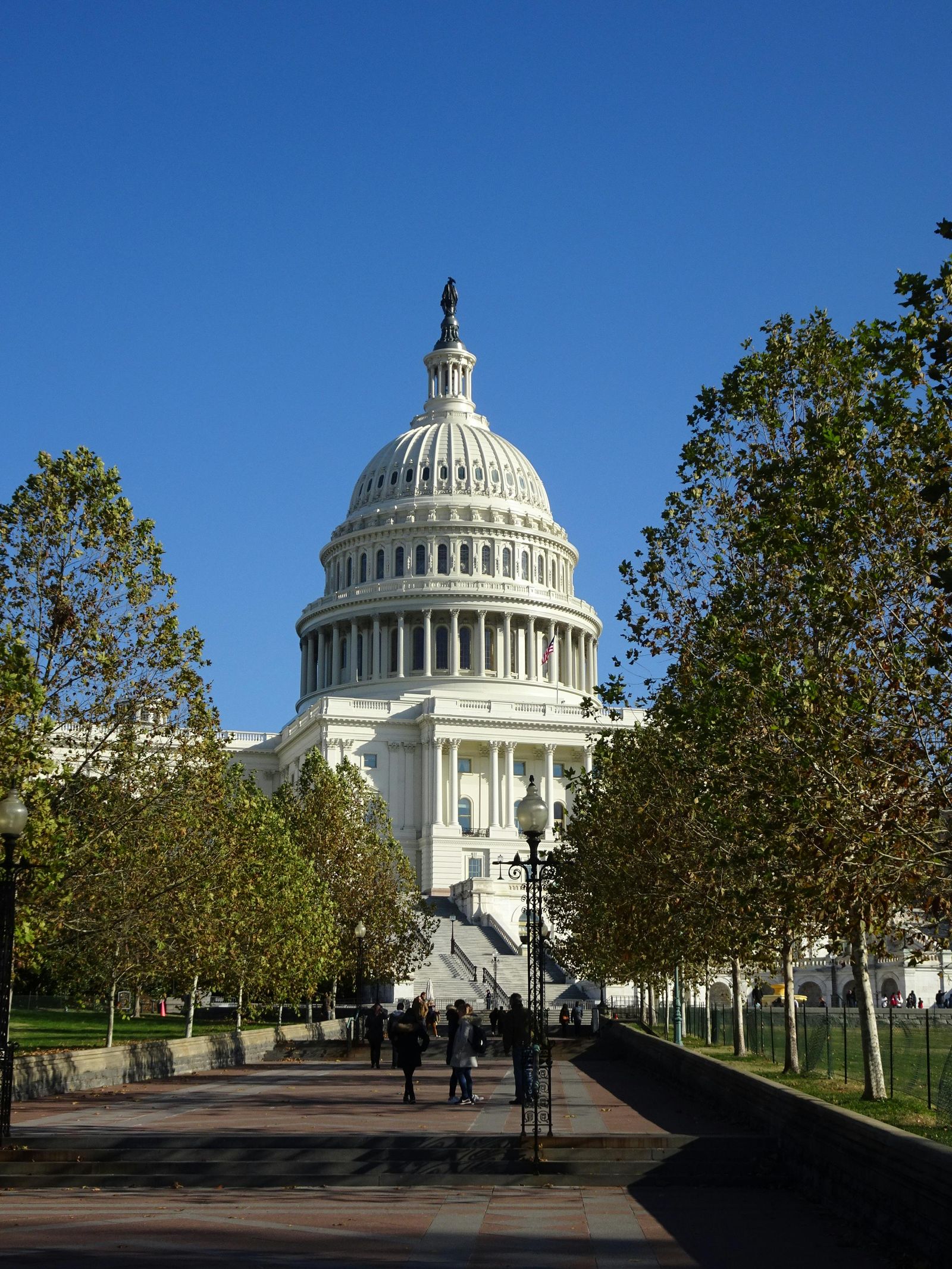
United States Capitol

Principles

How we collect, connect, and share.

Six operating rules. The same ones behind the app and every records request we send.

Public by design

  • Already public. We collect purchase orders and related documents agencies publish or must release under open-records law.
  • Purchasing only. We focus on what was bought, from whom, at what price and when: the transaction record agencies already hold.
  • Published contacts only. When a contact appears, it's a role the agency listed publicly itself.

Find it where it lives

  • Records requests. FOIA and state open-records asks for purchasing exports and related files.
  • Published sources. Open data portals, budgets, board packets, contracts, and award notices.
  • Public web. Agendas, minutes, meeting video, and notices that never land in a neat dump.

Make it comparable

  • Normalize across places. Same product language, agency size, and geography so peers can actually compare.
  • Connect the record. Purchase data sits next to the contract, the minutes, and the grant that funded it.
  • Clear answers. The app responds the way a colleague in the next county would, with prices and sources.

Show your work

  • Every figure sourced. Answers link back to the document, agency, or public page they came from.
  • Honest about gaps. When coverage is thin, we say so, and we go looking for what would fill it.
  • Labeled research. Public-web fallbacks stay clearly marked, never mixed in as if they were purchase orders.

Built as a co-op

  • Share once, help many. One agency's export improves answers for every peer that asks next.
  • We collect; you can contribute. We find what we can on our own; direct shares make the record sharper, faster.
  • For public workers & entities. Schools, colleges, cities, counties, states, police, and special districts.

Measured by fairer buys

  • Better prices. Success is agencies checking peers before they sign, and paying less for what works.
  • Better products. Public dollars should buy what works, at a price the record can defend.
  • Ongoing collection. New sources and contributions land continuously; thin spots get pursued, not hidden.

The public record

It's already public. We made it comparable.

Purchase orders and related documents are public records. Everything else we index was published by the agencies themselves. We gather it into one place peers can use. No single agency could build that alone.

  • Built from purchase details already in the public record: item, vendor, price, and date.
  • Official roles only. Where a contact appears, it's one the agency published itself.
  • Every record traceable to its source document, agency, or public page.
  • Built so agencies can compare purchases with peers across places.

In the news

Why public data still matters.

The app

The app is almost here.

Check what peers paid before you sign.

Ask about contracts, renewals, and grants using the shared purchasing record.

The app is live for public agencies and their staff. Ask about contracts, renewals, and grants using the public record.