
In collaboration with
The Manly Trust Skills Hub at CIBSE’s Saffron Hill headquarters has been designed as a modern training, collaboration and events space, while also demonstrating how smart building controls can support comfort, visibility and decarbonisation. The project was an opportunity to improve the operation of the wider building, not just the refurbished hub areas, by using environmental data to help control ventilation more intelligently.
A key part of the strategy was the upgrade of the building management system by OneControl, supported by the integration of wireless air-quality sensing across the building. Technik installed the air-quality sensors using LoRaWAN technology, allowing them to communicate wirelessly into the BMS environment without the need for extensive new controls cabling. This approach was particularly well suited to the project because it helped reduce disruption, speed up delivery and support the wider objective of reusing existing building infrastructure wherever possible.
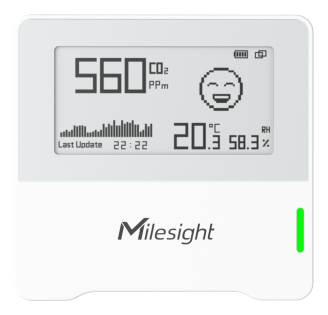
The wireless sensors provide live environmental data including CO₂, temperature and humidity, and also transmit battery-health information. These values are fed into the BMS, giving the facilities team a clear view of internal conditions across the building while also allowing them to monitor the condition of the sensor network itself. The system does not only show environmental performance; it also provides visibility of sensor status, helping facilities teams identify when batteries may require attention before data is lost.
CO₂ monitoring is especially important because it can be used as a practical indicator of occupancy and ventilation effectiveness. When CO₂ levels rise in occupied areas, the BMS can respond by increasing ventilation to those spaces. When areas are lightly occupied or unused, ventilation can be reduced, helping to avoid unnecessary fan energy and the over-ventilation of empty rooms. This is particularly valuable in a mixed-use building where office floors, training spaces, members’ areas and conference rooms are not always occupied at the same time.
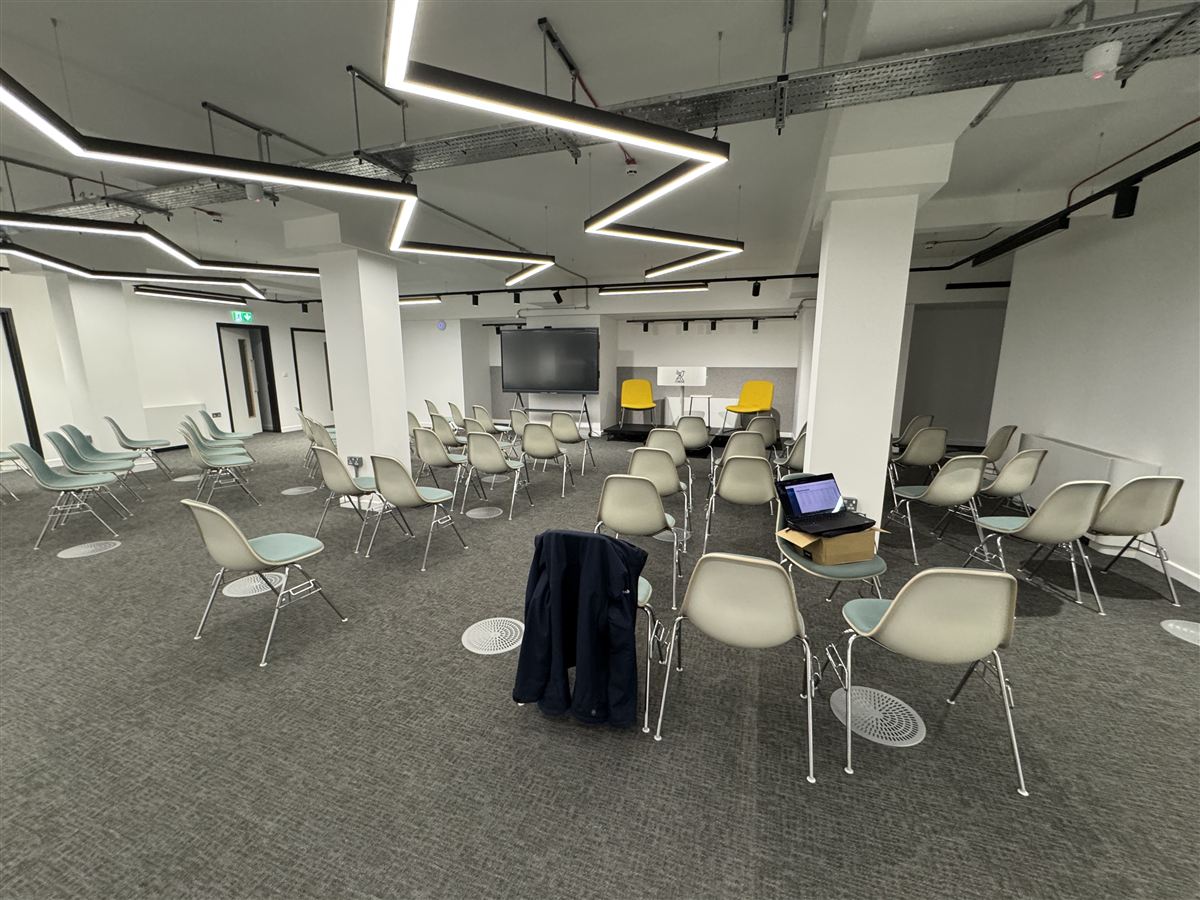
Technik’s installation of LoRaWAN-based air-quality sensors supports the ventilation-control strategy by giving the BMS the data it needs to make better control decisions. The system can help prioritise airflow to the areas where it is actually required, such as the basement conference space during events, while reducing ventilation to less occupied areas. This supports both energy efficiency and occupant comfort.
Following the OneControl BMS upgrade, the facilities team also gained improved access to building performance data. Technik created the graphical BMS pages used to represent the floor layouts and display live environmental metrics. These graphics allow users to view the building spatially, with sensor readings shown against the relevant rooms or areas. Rather than relying only on lists of points or raw data values, the graphical pages make it easier to understand conditions across each floor at a glance.
The floor-layout graphics provide a clear visual representation of the building, including basement, ground, second and third-floor views. These 3D layouts help users understand where each sensor is located and how environmental conditions relate to the actual spaces being occupied.
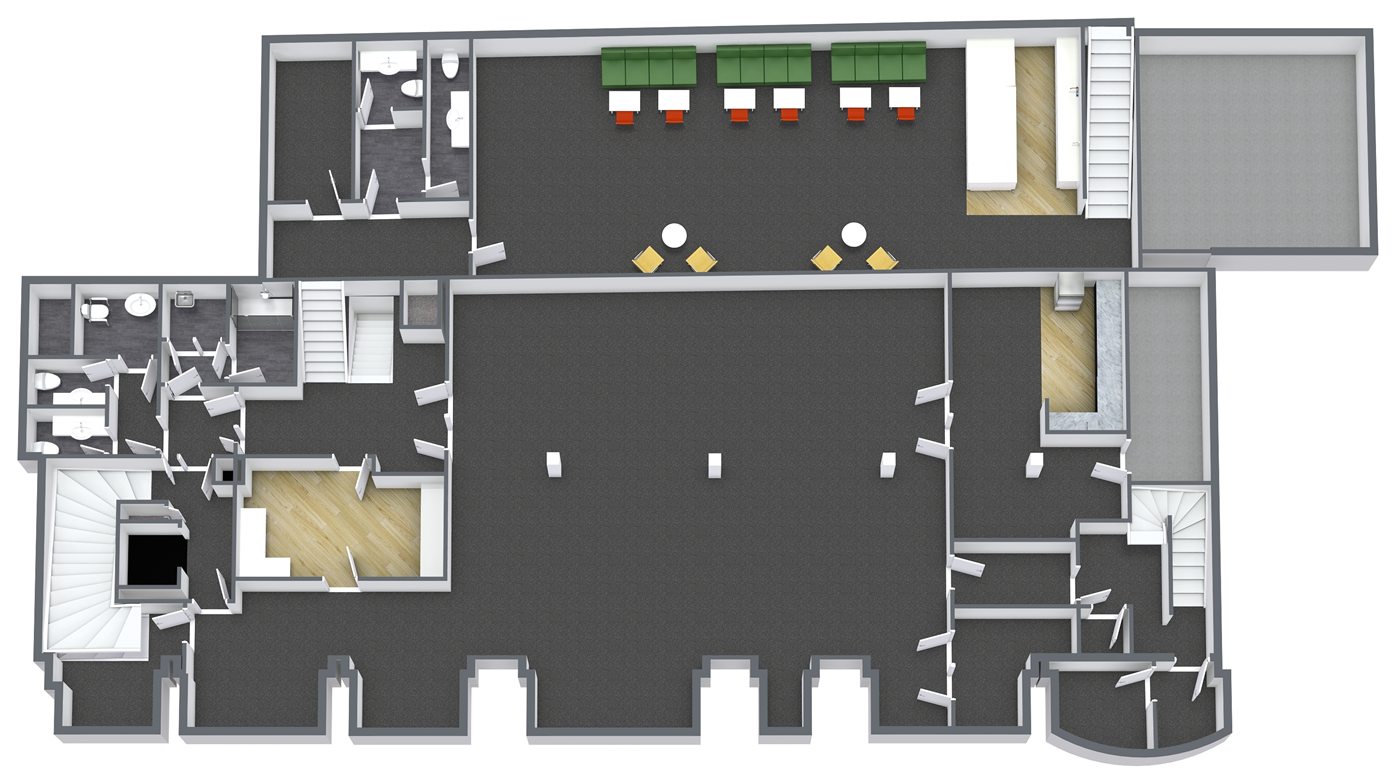
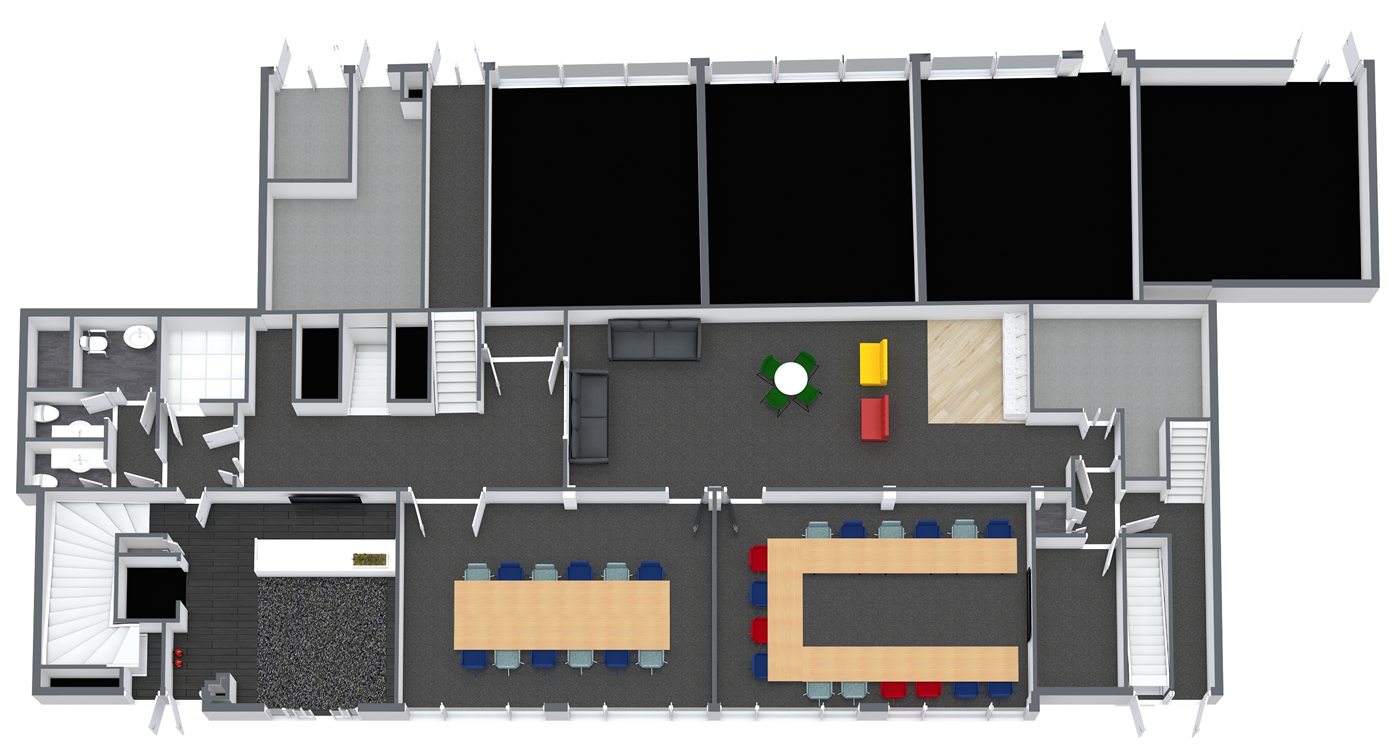
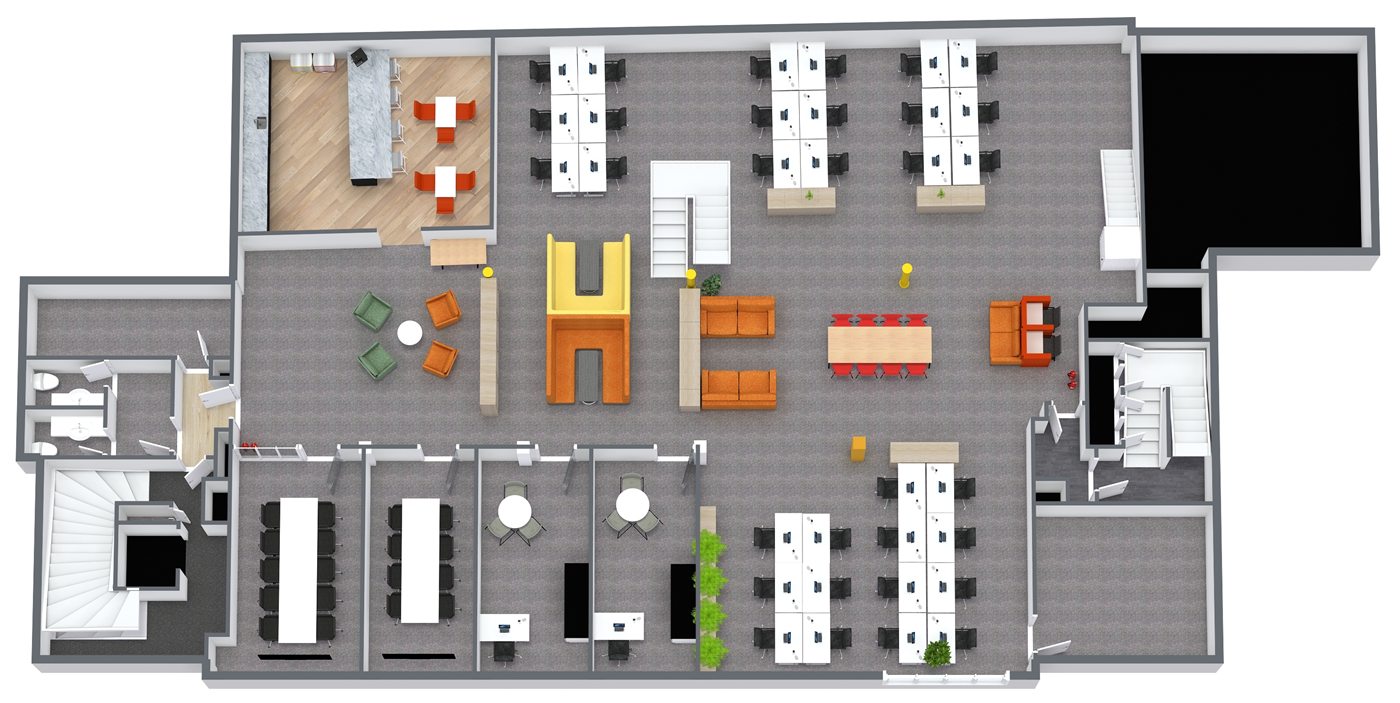
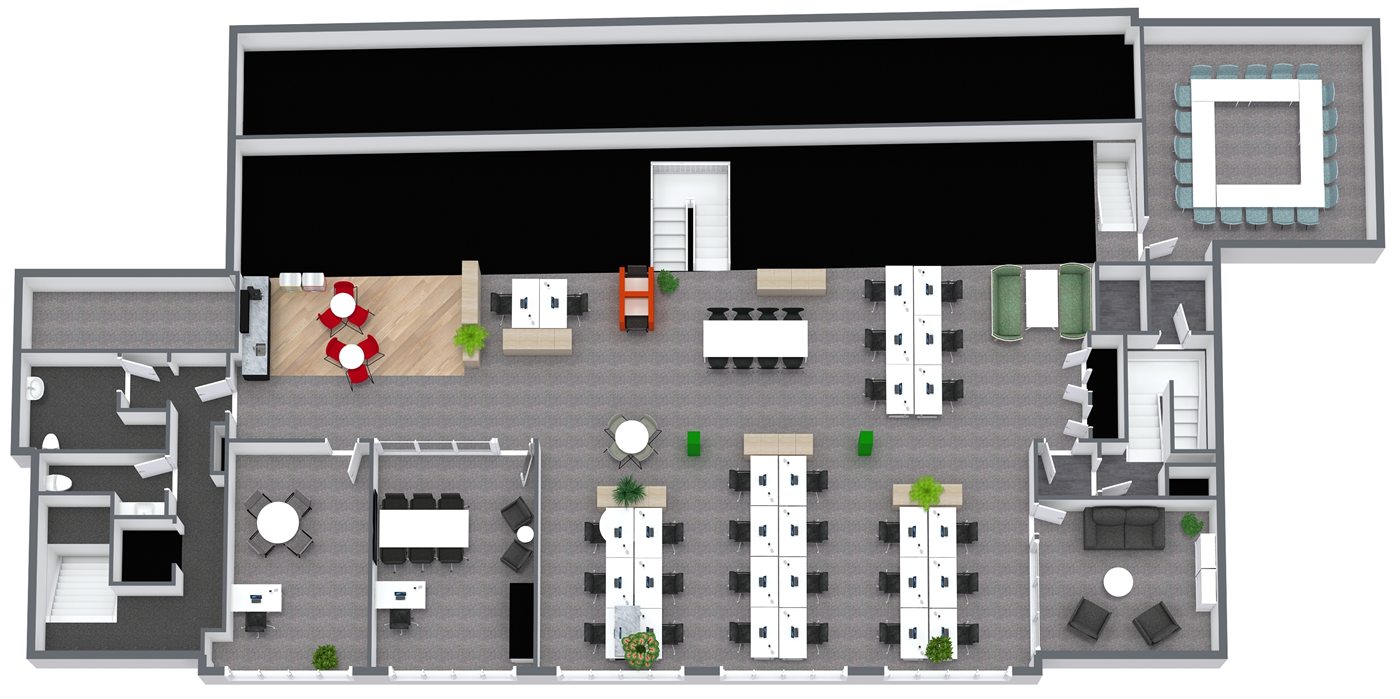
In the live CO₂ overlay view, readings are displayed directly on the floor plan, with each sensor shown by reference number and ppm value. This gives the facilities team a fast, intuitive way to identify localised changes in air quality and respond appropriately.
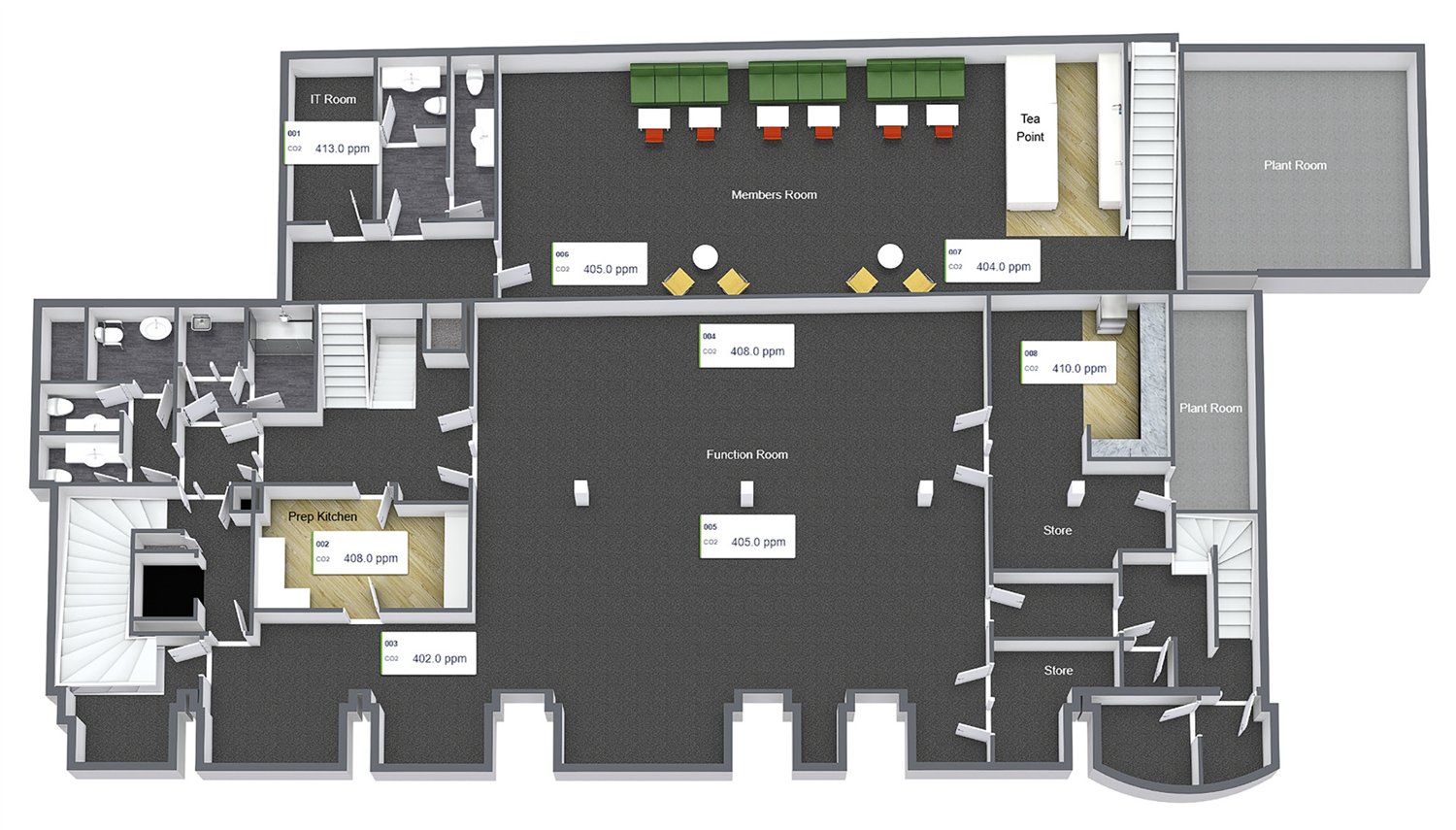
The graphical interface includes live readings for CO₂, temperature and humidity, together with sensor battery-health information. This helps the facilities team quickly identify how each area is performing and whether the wireless sensing network remains healthy, particularly useful in event and training spaces, where occupancy can change rapidly.
If a room becomes heavily occupied, the CO₂ readings can show whether additional ventilation is required. If temperature or humidity conditions move outside expected ranges, the data can support quicker diagnosis and response. And if a sensor battery begins to decline, the facilities team can plan maintenance before the sensor stops reporting.
Using LoRaWAN technology also provides practical advantages for retrofit and refurbishment projects. Because the sensors communicate wirelessly, they reduce the need for new control cabling through occupied or recently refurbished areas. This can lower installation disruption, reduce labour time and help preserve finishes. It also allows sensors to be placed where the data is most useful, rather than only where cabling routes are convenient. Battery-health transmission adds another practical advantage, because it helps ensure that wireless sensors remain maintainable over time.
For the Manly Trust Skills Hub, the air-quality monitoring strategy forms part of a wider smart-building approach. The OneControl BMS upgrade, wireless sensing, improved controls and demand-controlled ventilation all work together to support comfort, reduce avoidable energy use and provide better operational visibility. The building can respond more intelligently to real use patterns, rather than assuming all areas need full ventilation at all times.
The project also demonstrates the value of integrating environmental monitoring into the BMS rather than treating sensors as standalone devices. By feeding LoRaWAN sensor data into the control system, the readings become actionable: they can inform ventilation decisions, alert the facilities team, support reporting and provide evidence of indoor environmental quality. Battery-health data makes the sensing layer easier to maintain, because the team can see not just what the sensors are measuring, but whether the sensors themselves are operating reliably.
Indoor air-quality monitoring is most valuable when it is integrated, visible, maintainable and actionable.
Technik’s role was focused on enabling the environmental-monitoring layer: installing the LoRaWAN air-quality sensors, supporting the integration of wireless environmental data into the BMS, and creating meaningful graphical pages that allow the facilities team to interpret CO₂, temperature, humidity and battery-health data easily. By combining LoRaWAN sensing, BMS integration and floor-layout graphics, Technik helped turn environmental data into a practical building-management tool.
The result is a more visible, responsive and data-led building environment. Facilities teams can see live CO₂, temperature and humidity values across the building, understand conditions by floor and room, monitor the health of the wireless sensor network, and use that information to support comfort and energy performance. For a venue that includes offices, training rooms, members’ spaces and a 120-capacity conference area, this level of visibility is essential. With OneControl delivering the BMS upgrade and Technik providing the LoRaWAN air-quality sensing and graphical environmental pages, the project shows how specialist controls, sensor technology and clear visualisation can work together to support both decarbonisation and a better user experience.
Specialist controls, sensor technology and clear visualisation, working together to support both decarbonisation and a better building experience.Manly Trust Skills Hub, CIBSEIn collaboration with OneControl